
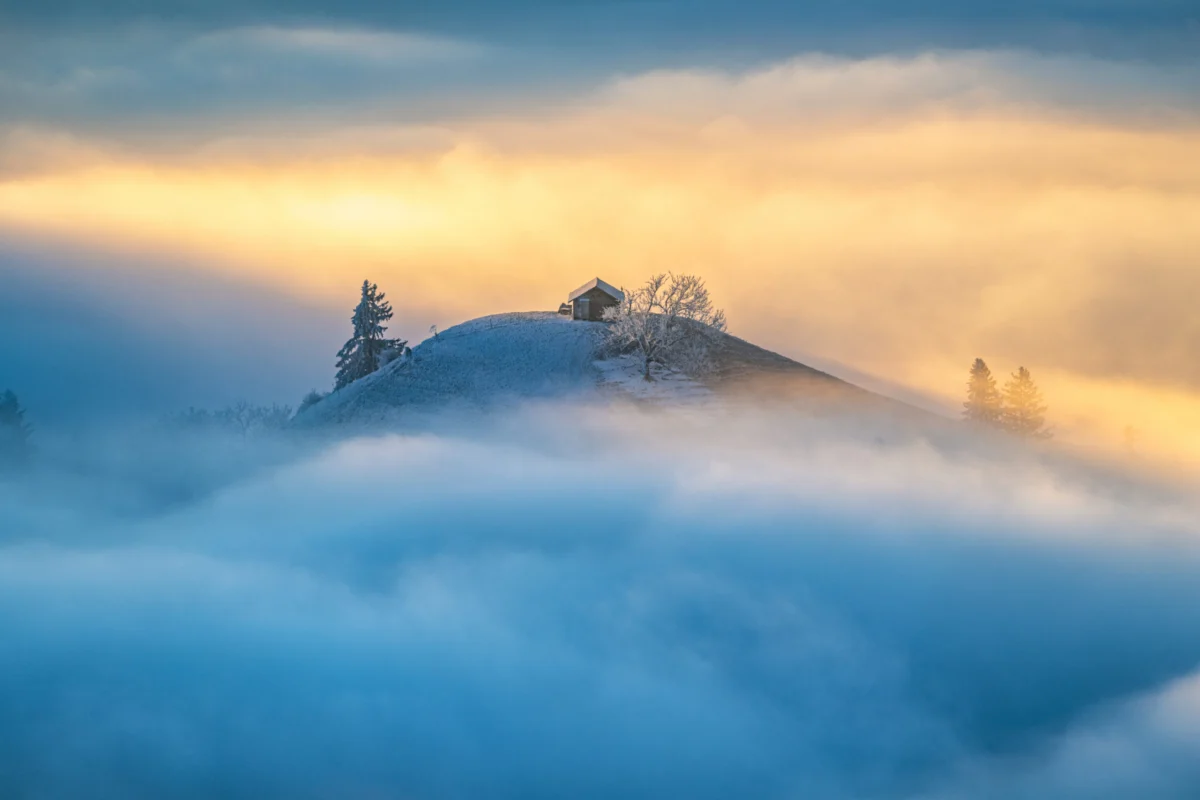
The discipline of landscape photography has undergone a profound evolution over the past decade, shifting away from standardized, idealized twilight imagery toward a more holistic, introspective interpretation of the natural world. This transition reflects broader technological advancements in digital imaging equipment, including the widespread adoption of high-resolution drones and sophisticated telephoto lenses, alongside a cultural maturation within the global community of visual artists. Contemporary practitioners are increasingly challenging the hegemony of the traditional "golden hour" landscape, embracing variable lighting conditions, micro-compositions, and rigorous environmental stewardship to capture the authentic, unfiltered complexity of the wilderness.

Evolution of the Landscape Discipline: A Chronological Shift
When the modern digital landscape movement began gaining widespread momentum around 2019, the aesthetic standards of the genre were largely defined by predictability and timing. Early portfolios from that era heavily prioritized sunrise and sunset windows—colloquially known as the golden hour—when low sun angles bathe mountain peaks and cloud formations in warm, saturated hues. Technical preparation during this period primarily involved meticulous planning around optimal twilight intervals and basic topographic mapping.

However, by 2021, a noticeable shift began to take root among field practitioners. Rather than packing up equipment immediately following sunrise or arriving exclusively ahead of dusk, photographers started lingering in the field throughout entire diurnal cycles. This evolution redefined preparedness, transforming it from a mechanical race against the clock into an exercise in psychological and physical endurance.

A defining paradigm of this transition occurred during a high-altitude expedition in central Switzerland in 2021. Navigating a rigorous three-hour ascent while carrying approximately 20 kilograms of professional camera gear, a photographer arrived at a remote alpine vantage point under harsh, midday illumination—conditions traditionally avoided by commercial landscape artists. Rather than waiting passively for evening light, the artist capitalized on dynamic, rapidly shifting weather patterns. High-altitude winds drove dense cloud cover across the mountain face, generating dramatic, transient plays of light and shadow. This encounter demonstrated that nature offers compelling emotional resonance at any hour, provided the observer remains receptive to unscripted environmental stimuli.

Compositional Mastery and the Re-Evaluation of Foreground Elements
At the core of professional landscape photography lies composition, a structural framework designed to guide the viewer’s eye through a visual narrative. Industry analysts note that contemporary compositional techniques have moved far beyond simplistic framing tropes popularized by social media algorithms.

Natural leading lines remain a cornerstone of effective visual storytelling. Waterways, meandering rivers, distinct geological fault lines, and naturally occurring botanical patterns are frequently utilized to establish a deliberate pathway toward a primary focal point. Similarly, natural frames—such as overhanging tree branches, cavern openings, or unique geological formations—serve to anchor the viewer within the scene, creating an illusion of three-dimensional depth on a two-dimensional plane.

A notable debate within the contemporary photographic community centers on the use of foreground elements. While vibrant wildflower meadows have long served as a staple foreground device, critics and seasoned professionals caution against their overuse. When emphasized disproportionately, vibrant flora can hijack the viewer’s attention, ultimately diminishing the impact of the primary subject. Modern compositional philosophy advocates for versatility, encouraging the integration of diverse natural elements—such as frost patterns, intricate ice formations on frozen lakes, sub-zero air bubbles, or snow-dusted ground textures—to enrich the foreground without overwhelming the overarching narrative of the landscape.

The Technical and Aesthetic Importance of Contrast
Light remains the primary variable in visual arts, yet modern practitioners argue that compelling imagery relies just as heavily on shadow and tonal separation. The deliberate cultivation of contrast has emerged as a defining signature of advanced landscape portfolios and subsequent post-processing workflows.

Luminance contrast—exemplified by sudden clearings in dense forest fog or stark directional sunlight cutting across an alpine ridge—provides instant depth and dimension. Beyond monochrome lighting dynamics, chromatic contrast plays an equally vital role in contemporary visual strategy. Photographers increasingly leverage complementary color theory, pairing opposing hues on the color wheel, alongside analogous color harmonies, to evoke specific psychological responses from the viewer.

Industry standards dictate that post-processing must remain measured and disciplined. Modern digital editing tools are utilized to enhance dynamic range and emotional resonance, but professional guidelines strongly discourage heavy-handed manipulation that distorts geographical reality or misrepresents natural phenomena. The prevailing consensus maintains that post-production should serve as a subtle amplifier of the original field experience rather than a digital fabrication.

Expanding Horizons: The Rise of Telephoto and Aerial Perspectives
The democratization of lightweight drone technology and high-performance telephoto lenses has fundamentally altered how modern artists interpret and document the natural environment. While wide-angle lenses remain essential for capturing expansive vistas, aerial and telephoto formats have opened entirely new dimensions within the genre.

Aerial perspectives offer a radical departure from terrestrial viewpoints, revealing geometric patterns, topographical textures, and hidden interplay between light and shadow that remain entirely invisible from ground level. Conversely, telephoto compression allows photographers to isolate distant micro-details—such as isolated ridgelines, isolated flora, or abstract geological strata—that would otherwise be lost within a broad, panoramic frame. This diversification of focal lengths underscores a broader industry trend: the pursuit of intimacy and specificity over sheer scale.

Implications and Industry Outlook
The ongoing transformation within landscape photography carries significant implications for both professional image-makers and environmental conservation efforts. As the market becomes increasingly saturated with homogenized digital content, audiences and critics are showing a clear preference for originality, emotional authenticity, and technical nuance.

Furthermore, this introspective approach to nature photography fosters a deeper cultural respect for the wilderness. By encouraging prolonged observation, patience, and unscripted engagement with natural environments rather than transactional, "bucket-list" tourism, the modern photographic movement aligns closely with contemporary environmental ethics.

Ultimately, the future of landscape photography relies not on adherence to rigid aesthetic formulas or the replication of viral social media trends, but on individual contemplation, technical adaptability, and an unwavering respect for the dynamic, ever-changing natural world.
