
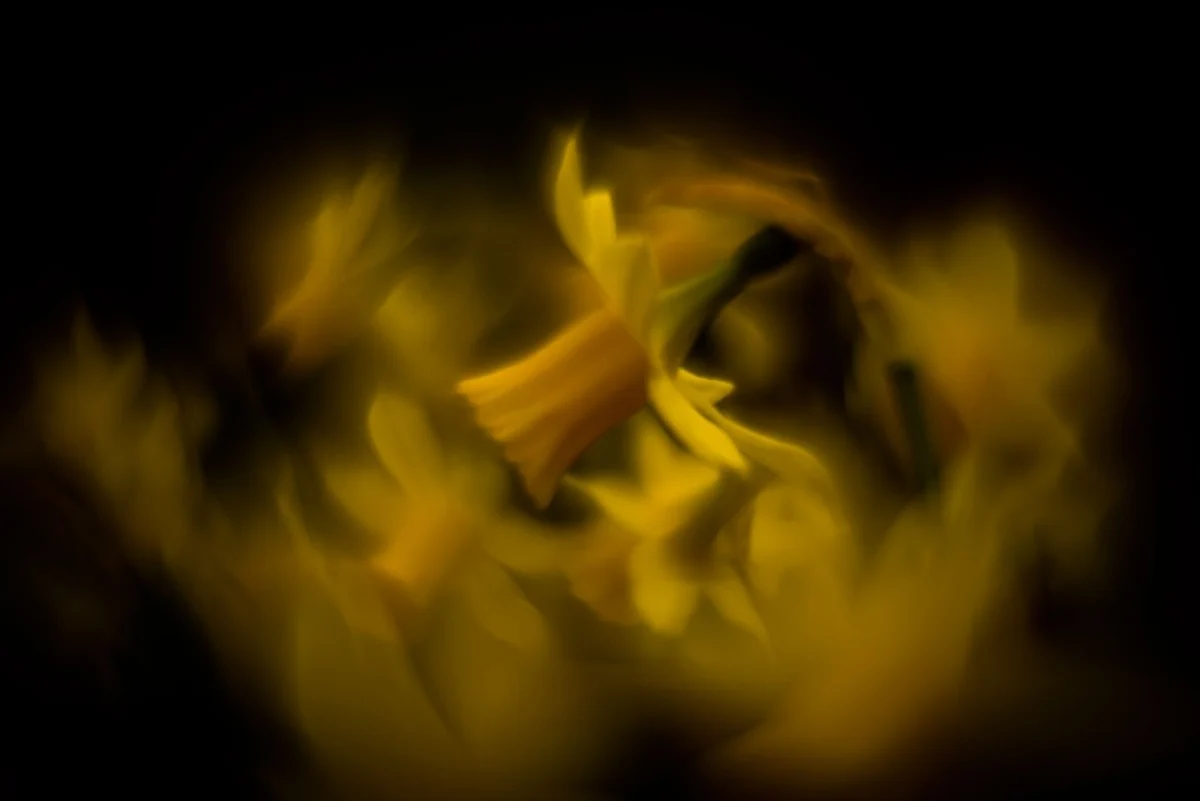
For the dedicated landscape photographer, capturing the quintessential interplay of golden hour light and dramatic topography remains the ultimate objective. However, logistical constraints—such as rigid professional schedules, geographical isolation, and unpredictable meteorological patterns—frequently impede access to prime locations during optimal conditions. In response to these recurring obstacles, a growing segment of the amateur and semi-professional photography community has adopted an adaptive strategy colloquially termed "Plan B." Rather than abandoning a shoot when grand vistas fail to materialize, photographers are increasingly turning their lenses inward, shifting their focus from expansive horizons to the intricate, microcosmic ecosystem hidden in plain sight.

The Evolution of Adaptive Photography
The practice of pivoting from macro-scale landscapes to micro-photography is rooted in the broader historical evolution of natural history documentation. Since the mid-20th century, advancements in close-up lens technology, macro extension tubes, and retrofitted vintage glass have democratized access to the sub-millimeter world. Historically, botanical and insect documentation required bulky studio setups, specialized lighting arrays, and extensive laboratory equipment. Today, lightweight digital single-lens reflex (DSLR) and mirrorless camera systems allow field practitioners to improvise complex compositions in dynamic outdoor environments.
Industry data from photographic equipment manufacturers indicates a steady 15% year-over-year increase in the sales of macro lenses and adapter rings over the past decade. This trend underscores a fundamental shift in consumer behavior: modern photographers are no longer solely invested in capturing iconic, heavily photographed vistas. Instead, there is a rising appreciation for artistic versatility, spontaneous composition, and technical ingenuity achieved through macro and close-up methodologies.

Technical Mechanics: Improvised Optics and Field Craft
Executing a successful impromptu macro session often requires deviating from standard equipment protocols. When conventional landscape opportunities dissolve due to midday glare or overcast skies, photographers frequently rely on alternative techniques to inject dynamism into ordinary subjects. A prominent example within contemporary close-up practice involves the utilization of vintage manual-focus lenses—such as Soviet-era Helios optics—mounted in reverse. By inverting the lens element, operators can achieve extreme magnification ratios while introducing distinctive optical aberrations, including swirling bokeh and dreamlike focal transitions.
Beyond modified glass, field practitioners frequently utilize rudimentary, everyday objects to manipulate illumination and framing. In lieu of professional studio softboxes or multi-point flash triggers, field photographers routinely employ pocket-sized LED flashlights for directional accent lighting, and specialized filters or fabric barriers—such as microfiber lens cloths—to create subtle foreground gradients and soft-focus vignettes.

This minimalist approach aligns with a broader philosophy of in-camera optimization. Industry surveys suggest that approximately 40% of dedicated nature photographers prefer to minimize post-processing hours by perfecting exposure, color temperature, and contrast directly in the field. By adjusting Kelvin white balance parameters on location and utilizing natural light filtration through foliage, practitioners seek to preserve the organic authenticity of the moment, limiting digital interventions to basic exposure correction, sharpness enhancement, and targeted vignetting.
The Macro Ecosystem: Botany, Mycology, and Lepidoptera
When grand landscapes prove inaccessible, the immediate local environment—ranging from urban municipal parks to suburban gardens—offers an abundance of biological subjects. Botanical specimens, fungal fruiting bodies, and lepidopteran species provide reliable focal points for detailed visual exploration.

- Botanical and Structural Motifs: Even common flora, such as neighborhood daffodils or fallen autumn leaves resting on damp soil, present robust compositional opportunities. Photographers often look for elements that disrupt geometric patterns, utilizing stray flower petals or water-droplet-covered puddles as natural still-life arrangements.
- Mycology and Low-Key Composition: Fungi, particularly delicate species such as Mycena, thrive in shaded, humid microclimates. Capturing these organisms requires precise control over depth of field and low-key lighting techniques. Practitioners often balance ambient filtered light with artificial pin-point sources to accentuate translucent caps and delicate stem structures without overpowering the natural atmosphere.
- Entomology and Spring Transitions: The arrival of the spring season introduces heightened biological activity, notably among butterflies and other pollinators. Because these subjects are encountered dynamically rather than scheduled in advance, photographers must rapidly evaluate whether to pursue a high-contrast aesthetic or a soft, harmonious tonal range to convey the transient fragility of the insect.
Industry Analysis: The Dichotomy of Contrast and Harmony
A central artistic debate within contemporary close-up nature photography centers on the dichotomy between visual contrast and compositional harmony. While aggressive global contrast and hyper-saturation have dominated digital media platforms to maximize online engagement, a counter-movement advocates for subtle tonal gradations and subdued palettes.
Art critics and photography educators note that while high-contrast imagery immediately captures viewer attention through stark boundary definitions, subtle processing techniques better communicate the delicate texture and ephemeral nature of biological subjects. This stylistic choice directly dictates technical execution in the field, influencing decisions regarding aperture selection, focal plane orientation, and the management of peripheral distractions.

Furthermore, these impromptu sessions serve a vital psychological and professional function for practitioners. By stripping away the pressure of capturing a definitive, pre-visualized landscape masterpiece, photographers operate with heightened spontaneity. This unstructured engagement stimulates creative problem-solving, forcing the artist to re-evaluate familiar surroundings and refine fundamental principles of visual weight, line disruption, and focal dominance.
Broader Implications for Visual Arts and Conservation
The growing popularity of urban and micro-nature photography carries significant implications for both individual artistic development and environmental awareness. By demonstrating that compelling visual narratives can be constructed from modest subjects—a decaying leaf, a potted balcony plant, or a common park fungus—this approach democratizes the medium. It proves that artistic fulfillment does not strictly require extensive travel to remote wilderness areas or ownership of prohibitively expensive telephoto systems.

Moreover, shifting the photographic gaze toward the microscopic elements of local ecosystems fosters a deeper public appreciation for biodiversity. When individuals train their lenses on the soil-level ecosystem, they become more attuned to ecological health, soil composition, and urban habitat preservation. As urban green spaces increasingly face pressures from commercial development, the documentation of localized flora and fauna serves as a subtle yet powerful testament to the resilient, intricate natural world operating quietly beneath our feet.
