
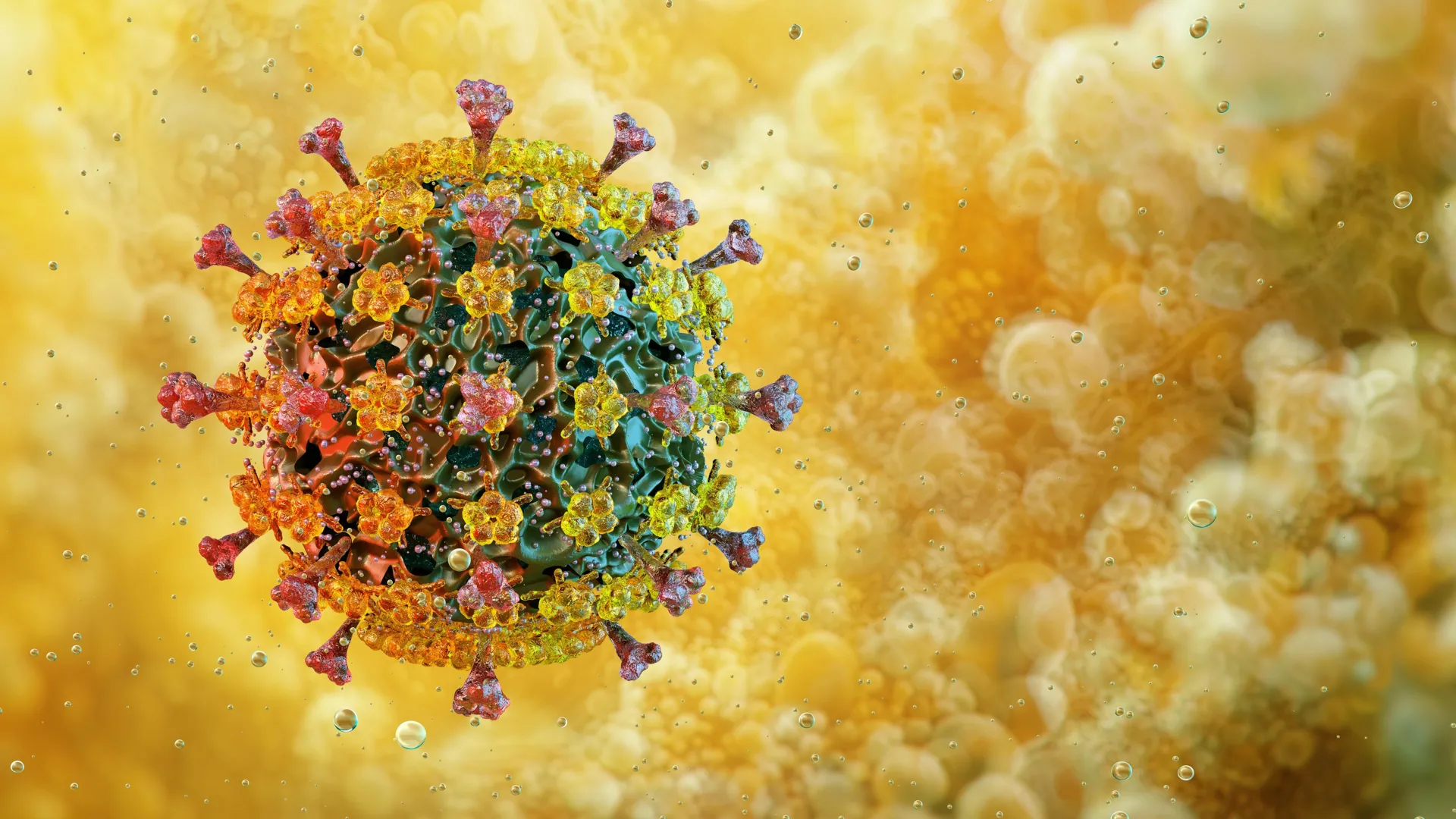
New research spearheaded by the universities of Cambridge and Glasgow has uncovered a critical mechanism by which avian influenza viruses pose an elevated threat to human health: their remarkable ability to multiply effectively at temperatures warmer than a typical human fever. This discovery challenges conventional understandings of the body’s primary defense mechanisms against viral infections and casts a stark light on the unique virulence of bird flu strains. Fever, a cornerstone of the human immune response designed to slow down pathogens, appears to be less effective against these avian invaders, which can continue their replication cycle even under conditions that would typically incapacitate other viruses.
The Unseen Threat: Avian Influenza’s Unique Virulence
The findings, published on November 28 in the esteemed journal Science, identify a specific gene that profoundly dictates a virus’s sensitivity to heat. Historically, during the devastating influenza pandemics of 1957 and 1968, this particular gene migrated from avian influenza viruses into the human flu strains circulating at the time. This genetic exchange, known as reassortment, played a significant role in enabling these pandemic strains to thrive and cause widespread, severe illness among human populations. This genetic lineage, now understood to confer heat tolerance, highlights a persistent vulnerability in human defenses against evolving influenza threats.
Seasonal human influenza A viruses, which afflict millions globally each year, typically achieve optimal replication in the cooler upper respiratory tract, where temperatures hover around 33°C. Their spread is markedly less efficient in the warmer lower respiratory tract, usually maintained at approximately 37°C. This temperature differential has long been considered a natural barrier, limiting the severity and progression of common human flu infections. However, avian influenza viruses operate under a different biological imperative. In their natural hosts, such as ducks and seagulls, these viruses primarily infect the gut, an environment where temperatures can range from 40°C to 42°C. This evolutionary adaptation has endowed them with an intrinsic resilience to higher temperatures, a trait that becomes particularly dangerous when these viruses cross the species barrier into humans.
A Deeper Dive into Viral Mechanics: The Role of Temperature and the PB1 Gene
Viruses, if left unchecked, can spread rapidly throughout the body, leading to severe illness and potentially life-threatening complications. Fever, a complex physiological response, is one of the body’s most ancient and effective tools against infection, capable of raising the core body temperature to as high as 41°C. Until recently, the precise mechanisms by which fever inhibits viral replication, and conversely, how certain viruses manage to withstand such heat, remained incompletely understood.
Previous laboratory work using cultured cells had hinted that avian flu viruses exhibited greater tolerance to fever-level temperatures compared to human flu viruses. The new study builds upon this by employing in vivo experiments involving mice infected with influenza viruses, providing crucial insights into how fever offers protection and, more importantly, why this protective mechanism may prove insufficient against avian strains. This shift from in vitro to in vivo experimentation offers a more comprehensive and biologically relevant understanding of the interaction between host temperature and viral propagation.
Experimental Insights: Replicating Fever Conditions in Vivo
To observe viral responses under fever conditions, scientists from Cambridge and Glasgow meticulously recreated these elevated temperatures in laboratory mice. They utilized a human-origin influenza strain, PR8, which has been adapted for laboratory use and poses no risk to humans, serving as a safe model for studying viral dynamics. Since mice do not typically develop a fever when infected with influenza A viruses, the researchers ingeniously simulated this physiological state by increasing the ambient temperature of the mice’s environment, thereby elevating their core body temperature.
The results of these experiments were stark and highly informative. Raising the body temperature of the mice to levels consistent with a fever proved exceptionally effective in preventing the human-origin flu viruses from replicating efficiently. A modest increase of just 2°C was sufficient to transform what would otherwise be a deadly human-origin influenza infection into a mild one, underscoring the potent protective role of fever against typical human strains. However, when avian influenza viruses were introduced under similar temperature increases, their replication was largely unhindered. This critical distinction highlights the unique evolutionary advantage of avian strains and their inherent resistance to thermal stress.
The PB1 Gene: A Key to Avian Flu’s Thermal Resistance
Central to this thermal resistance, the research team discovered, is the PB1 gene. This gene is indispensable for the viral genome’s replication inside infected cells. Viruses possessing an avian-like PB1 gene demonstrated a clear ability to withstand the elevated temperatures associated with fever, subsequently causing serious disease in the infected mice. This finding is particularly significant because bird and human flu viruses are known to exchange genetic material through a process called reassortment when they co-infect the same host, such as pigs. These animals act as "mixing vessels" where different flu strains can swap genes, potentially creating novel viruses with enhanced virulence or transmissibility in humans.
Dr. Matt Turnbull, the study’s first author from the Medical Research Council Centre for Virus Research at the University of Glasgow, emphasized the gravity of this genetic exchange. "The ability of viruses to swap genes is a continued source of threat for emerging flu viruses. We’ve seen it happen before during previous pandemics, such as in 1957 and 1968, where a human virus swapped its PB1 gene with that from an avian strain. This may help explain why these pandemics caused serious illness in people," Dr. Turnbull stated. He further stressed the importance of proactive monitoring: "It’s crucial that we monitor bird flu strains to help us prepare for potential outbreaks. Testing potential spillover viruses for how resistant they are likely to be to fever may help us identify more virulent strains."
Historical Echoes: Pandemics and Gene Swaps
The history of influenza is punctuated by pandemics that underscore the findings of this new research. The 1918 "Spanish Flu" pandemic, caused by an H1N1 virus with avian origins, is estimated to have killed tens of millions worldwide. Later, the 1957 "Asian Flu" (H2N2) and the 1968 "Hong Kong Flu" (H3N2) pandemics both involved reassortment events where human flu viruses acquired new genes, including the PB1 gene, from avian strains. These genetic shifts enabled the viruses to jump species barriers effectively and evade existing human immunity, leading to widespread infection and significant mortality. The 2009 H1N1 "Swine Flu" pandemic, while less severe than anticipated, also demonstrated a complex reassortment involving avian, swine, and human influenza genes. Understanding the specific genes involved, like PB1, offers a more granular view of how these pandemic threats emerge.
Global Surveillance and Persistent Threats: The H5N1 and H7N9 Legacy
Senior author Professor Sam Wilson, from the Cambridge Institute of Therapeutic Immunology and Infectious Disease at the University of Cambridge, highlighted the ongoing human risk. "Thankfully, humans don’t tend to get infected by bird flu viruses very frequently, but we still see dozens of human cases a year. Bird flu fatality rates in humans have traditionally been worryingly high, such as in historic H5N1 infections that caused more than 40% mortality," Professor Wilson observed.
Avian influenza, particularly highly pathogenic avian influenza (HPAI) strains like H5N1 and H7N9, represents a persistent global threat. The H5N1 strain first emerged in humans in Hong Kong in 1997 and has since caused hundreds of human infections across multiple countries, with a case fatality rate often exceeding 50% in reported cases. While human-to-human transmission has been rare and inefficient, the high mortality rate underscores the catastrophic potential should the virus acquire sustained transmissibility. The H7N9 strain, which emerged in China in 2013, also caused significant human infections with a high fatality rate, again demonstrating the zoonotic potential and lethality of avian strains. These outbreaks have necessitated extensive culling of poultry, economic disruption, and continuous global surveillance efforts by organizations like the World Health Organization (WHO) and the Food and Agriculture Organization (FAO).
"Understanding what makes bird flu viruses cause serious illness in humans is crucial for surveillance and pandemic preparedness efforts. This is especially important because of the pandemic threat posed by avian H5N1 viruses," Professor Wilson added, emphasizing the critical need for continued research and vigilance. The current global spread of H5N1 in wild birds and poultry, with increasing spillover events into mammals, further amplifies these concerns, as each jump across species offers a new opportunity for the virus to adapt closer to human hosts.
Implications for Treatment and Pandemic Preparedness
The findings of this study carry significant implications for public health strategies, particularly concerning treatment recommendations and pandemic preparedness. Fever, as an integral part of the body’s defense, is often managed with antipyretic medications such as ibuprofen and aspirin. However, some clinical evidence suggests that actively lowering fever might not always benefit patients with influenza and could potentially even support the spread of influenza A viruses in humans. The new research provides a scientific basis for re-evaluating these practices, especially in the context of potential avian flu infections. If fever is a less effective defense against these strains, then strategies that solely rely on fever reduction might need reconsideration.
Further studies will be essential to translate these research findings into actionable clinical guidelines. This includes investigating how specific antiviral treatments interact with viral replication at different temperatures and whether tailored approaches are needed for infections caused by avian-origin influenza strains. The development of next-generation vaccines that can elicit broader and more robust immune responses, potentially targeting highly conserved viral elements less prone to mutation or reassortment, also becomes even more critical.
From a broader pandemic preparedness perspective, this research underscores the urgency of robust international surveillance systems. These systems need to not only track the geographical spread of avian influenza but also genetically characterize circulating strains, paying close attention to genes like PB1. Early identification of avian strains acquiring human-adaptive traits, such as increased thermal tolerance, could provide crucial lead time for vaccine development, antiviral stockpiling, and public health interventions. The concept of "pre-pandemic" vaccines, designed against high-risk avian strains before they jump to humans, gains further impetus from these findings.
The Funding Landscape: Powering Critical Research
This vital research received its primary funding from the Medical Research Council, a key government agency in the UK supporting medical research. Additional significant support was provided by a consortium of prominent scientific and governmental organizations, including the Wellcome Trust, the Biotechnology and Biological Sciences Research Council, the European Research Council, the European Union Horizon 2020 program, the UK Department for Environment, Food & Rural Affairs (Defra), and the US Department of Agriculture (USDA). This collaborative funding effort highlights the international recognition of the critical importance of understanding zoonotic disease threats and developing strategies to mitigate their impact on global health. The multi-agency support reflects the complex, interconnected nature of infectious disease research, bridging human health, animal health, and environmental considerations.
In conclusion, the groundbreaking discovery regarding the thermal resistance of avian influenza viruses, particularly the role of the PB1 gene, marks a pivotal moment in our understanding of pandemic risk. It reinforces the notion that influenza viruses are continually evolving, adapting to overcome host defenses. While the infrequency of human bird flu infections offers some respite, the exceptionally high fatality rates associated with historical avian flu cases necessitate unwavering vigilance and proactive scientific inquiry. This research provides a crucial piece of the puzzle, guiding future surveillance efforts, informing treatment strategies, and fortifying global pandemic preparedness against an ever-present and cunning viral adversary.
