
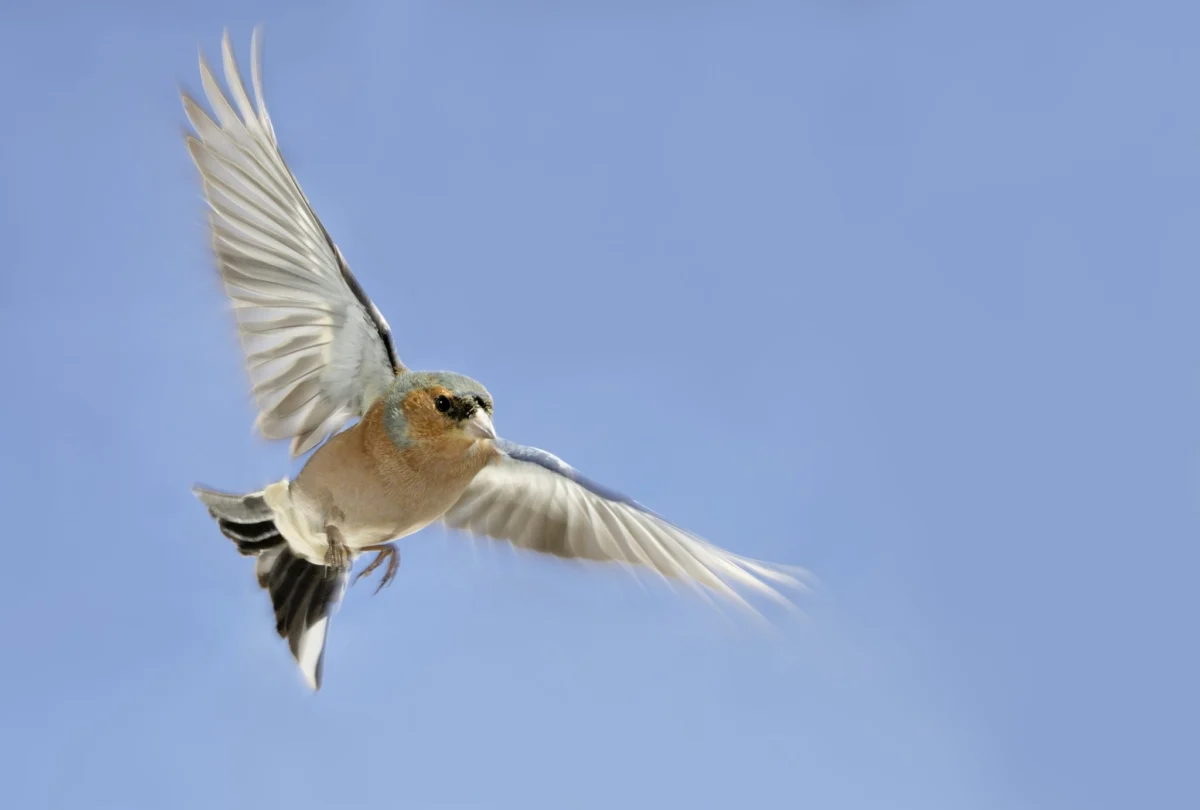
The weekend of October 3-4, 2026, marked a significant milestone for European ornithology and citizen science as thousands of enthusiasts participated in EuroBirdwatch 2026. This annual event, recognized as the continent’s largest birdwatching initiative, brought together over 23,000 participants across Europe and Central Asia to document the massive, multi-species movement of birds heading south for the winter. Coordinated by 28 BirdLife Partners, the event saw 927 organized activities, resulting in the successful tallying of approximately 4.8 million migrating birds. The data collected during this 48-hour window provides critical insights into avian population trends and migration patterns, with the final aggregation and analysis meticulously conducted by BirdLife Slovakia.

The Mechanics of a Continental Count
EuroBirdwatch is more than a recreational pastime; it is a massive, decentralized scientific effort that functions through the collaboration of national BirdLife organizations. By mobilizing thousands of observers simultaneously, the event captures a "snapshot" of the autumn migration that would be impossible for professional researchers to achieve alone.
The structure of the event relies on standardized counting methods to ensure data consistency. Participants—ranging from expert ornithologists to casual nature observers—gather at strategic migration bottlenecks, such as mountain passes, river valleys, and coastal flyways. Throughout the weekend, these volunteers record species counts, direction of movement, and environmental conditions. This localized data is then channeled to national partners before reaching the regional coordinators, who compile the comprehensive continental report. The 2026 edition stands out for its high volume of sightings, with 4.8 million individual birds documented, reflecting both the intensity of the migration season and the high level of public engagement.

A Chronology of Migration Monitoring
The roots of EuroBirdwatch extend back decades, evolving from a grassroots initiative into a cornerstone of European environmental monitoring. Since its inception, the event has aimed to connect the public with the realities of avian migration, which is increasingly threatened by habitat loss and climate change.
In the 2024 iteration, nearly 1,000 events saw over 24,000 participants document 3.5 million birds. The 2026 event maintained this momentum, demonstrating that despite fluctuating weather patterns and shifts in climate, the public appetite for conservation-based citizen science remains robust. By comparing the 2026 figures with those from the previous two years, researchers can begin to map long-term shifts in migration timing and species distribution. For example, the consistent participation across the continent allows for a comparative analysis of how specific species, such as the Lesser Spotted Eagle or the Red-throated Pipit, adapt their travel routes to changing landscapes.

Data-Driven Insights and Field Observations
While the aggregate number of 4.8 million birds is impressive, the value of the EuroBirdwatch lies in the granular details of the species observed. Each year, the event highlights specific regional successes and provides a rare look at rare, threatened, or elusive migratory birds.
The 2026 count highlighted the diversity of avian travelers, ranging from small passerines to large raptors. Analysts from BirdLife Slovakia noted that while common species—such as the Chaffinch or the European Starling—often dominate the raw numbers, the presence or absence of specialized migrants serves as a key indicator of ecosystem health. The data collected serves as a vital resource for conservationists working on the European Union’s biodiversity strategy, providing empirical evidence to support the protection of critical "stopover" sites. Without these protected areas, many of the millions of birds counted during the October weekend would face significant hurdles in their journey to wintering grounds in Africa and Southern Europe.

The Role of Citizen Science in Conservation
The success of EuroBirdwatch 2026 highlights the increasing importance of citizen science in professional ornithological research. By providing a platform for public participation, BirdLife International not only generates vast datasets but also fosters a culture of stewardship.
"The engagement we witnessed this year is a testament to the public’s growing awareness of the fragile state of our natural world," noted representatives from the coordinating body. By involving over 23,000 people, the event acts as a bridge between scientific data collection and the broader public consciousness. This outreach is essential for securing the political and social support needed for large-scale conservation projects, such as the restoration of wetlands or the mitigation of light pollution, which can disrupt migratory flight paths.

Furthermore, the involvement of 28 BirdLife Partners ensures that the data collection is representative of diverse ecological zones, from the boreal forests of Scandinavia to the Mediterranean coasts. This cross-border collaboration is essential; because migratory birds do not recognize national boundaries, effective conservation must be equally transnational. The data synthesized by BirdLife Slovakia serves as a foundational text for policymakers, helping to justify the funding and implementation of the EU’s LIFE programme and other conservation initiatives.
Broader Implications for Environmental Policy
The 2026 data arrives at a critical juncture for European environmental policy. As climate change alters the availability of food sources and the timing of seasonal transitions, the migration patterns of birds are becoming increasingly erratic. Observations gathered during events like EuroBirdwatch help scientists determine whether birds are arriving at their destinations too early, too late, or if their traditional routes have been disrupted by extreme weather events.

The implications for policy are twofold. First, the data highlights the necessity of maintaining a network of "green corridors" across Europe. Second, it underscores the need for ongoing, multi-year monitoring. Because this event is repeated annually, it creates a longitudinal dataset that is invaluable for identifying long-term trends that might otherwise be obscured by short-term anomalies. For instance, a decline in a specific species’ numbers over a five-year period, as documented through consistent EuroBirdwatch counts, can trigger targeted research into localized threats such as agricultural pesticide use or the expansion of wind energy infrastructure in migratory pathways.
Looking Toward the Future
As the dust settles on the 2026 count, the focus shifts to the long-term integration of these findings into broader conservation strategies. The success of the event is not merely in the numbers but in the sustained commitment of the thousands of volunteers who return year after year.

For the general public, the event remains an invitation to look skyward and recognize the interconnectedness of the European continent. As the 28 BirdLife Partners begin planning for 2027, the focus will likely remain on refining digital reporting tools to make the data even more precise. By leveraging mobile technology and real-time data entry, future iterations of EuroBirdwatch are expected to become even more efficient, potentially increasing the speed at which researchers can identify and respond to environmental changes.
Ultimately, the 4.8 million birds spotted during the first weekend of October 2026 represent more than just a count; they represent a collective effort to understand and protect the natural heritage of Europe. Through the lens of 23,000 pairs of eyes, the complex and arduous journey of migration has been brought into sharper focus, reinforcing the imperative to protect the habitats that sustain these millions of travelers on their long, precarious journey toward survival. The legacy of this event will be found in the policies and protections developed in the coming years, driven by the data gathered by the dedicated volunteers of 2026.
