
This September, the Maltese islands—a vital geographical waypoint for millions of birds traveling between Europe and Africa—became the site of a conservation crisis that has drawn international scrutiny. As severe meteorological instability across the Mediterranean forced thousands of migratory birds to seek refuge on the archipelago, they were met not with the safety of a sanctuary, but with an unprecedented wave of illegal activity. What should have been a season of natural wonder for observers and ecologists transformed into a period of systematic destruction, as illegal hunters exploited the vulnerability of exhausted species, resulting in what local conservationists have grimly dubbed a "bird fall" month.
A Chronology of the September Crisis
The sequence of events began in early September when a series of intense cyclonic storms swept through the Mediterranean basin. These adverse weather conditions acted as a natural filter, forcing large flocks of migratory birds to deviate from their paths and land on the Maltese islands to wait out the turbulent skies. While these conditions are a routine part of the autumn migration, the sheer volume of birds grounded this year created a "perfect storm" for opportunistic illegal hunting.
By mid-September, reports began to flood the offices of BirdLife Malta, detailing a surge in illegal firearm discharges. The crisis escalated rapidly, moving from isolated incidents to a pattern of widespread, indiscriminate killing. By the final week of the month, the Environmental Protection Unit (EPU) of the Malta Police Force was stretched to its limit. Despite the deployment of two specialized units each morning to monitor hotspots, the sheer geographic spread of illegal activity—often occurring in the pre-dawn hours—made comprehensive enforcement nearly impossible.
The gravity of the situation was underscored by the discovery of an Eurasian Hobby (Falco subbuteo) on school grounds—a casualty of indiscriminate firing that posed a direct threat to public safety. This incident, occurring in a space intended for children, served as a stark reminder that the fallout of illegal hunting extends beyond wildlife loss into the realm of public health and safety.
The Scale of Destruction: A Data-Driven Overview
The biodiversity loss recorded during this period is significant. Among the most affected species was the European Turtle Dove (Streptopelia turtur), a bird currently listed as "Vulnerable" on the IUCN Red List of Threatened Species. Despite the official hunting season for this species being closed, hundreds were confirmed shot.
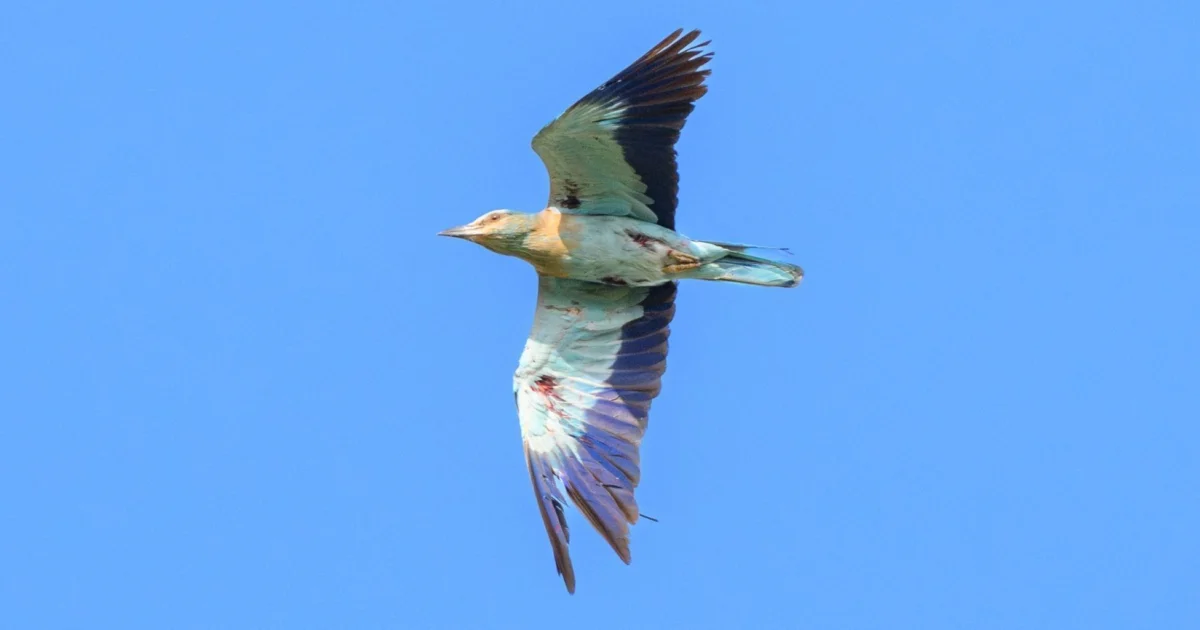
The "bird fall" was not limited to common species; it encompassed high-conservation-priority birds including the Black Stork (Ciconia nigra), the European Roller (Coracias garrulus), and the Common Kestrel (Falco tinnunculus). These species are protected under both the EU Birds Directive and the African-Eurasian Migratory Waterbird Agreement (AEWA). The illegal killing of these birds represents a significant blow to European conservation efforts, as these individuals are critical for the genetic health and population stability of their respective species.
Furthermore, the environmental impact is compounded by the accumulation of plastic and lead waste. Photographic evidence documented at locations such as Delimara revealed a landscape littered with discarded cartridge boxes and spent shells—a visual testament to the intensity of the hunting activity. The lead shot used in these areas persists in the soil and water, posing long-term toxicological risks to the local ecosystem.
Official Responses and Institutional Silence
The response from the Maltese government and representative bodies has been a point of intense contention. Mark Sultana, CEO of BirdLife Malta, characterized the lack of public condemnation from political leaders and the Federation for Hunters, Trappers and Conservationists (FKNK) as a "deafening silence."
"What we have witnessed is nothing less than a massacre of protected birds," Sultana stated in a recent press briefing. He emphasized that the intensity of the hunting was so severe that it replaced the natural soundscape of the countryside with an almost constant barrage of gunfire, even resulting in a civilian injury involving a pedestrian and her dog.

The FKNK, historically the primary representative for the hunting community in Malta, has faced criticism for not taking a more proactive stance in policing its own members. While the organization often claims to advocate for "sustainable" hunting, conservationists argue that the organization’s failure to condemn the illegal slaughter of protected species undermines its credibility as a regulatory partner.
Legislative Regression: The Proposal to Weaken Penalties
Perhaps the most alarming development in the wake of the September massacre is the government’s active consideration of proposals to relax penalties for illegal hunting. Under the current Conservation of Wild Birds Regulations, the state has the authority to revoke licenses from individuals found guilty of environmental crimes.
However, proposed amendments include the potential reinstatement of hunting and trapping licenses for individuals who have previously had them stripped due to illegal activities. This move has been met with vehement opposition from legal experts and environmental NGOs. Darryl Grima, President of BirdLife Malta, noted the inherent contradiction in such a policy: "A law-abiding hunter has nothing to fear from strong penalties against illegalities. Reducing the consequences for breaking the law will directly benefit those who break, or may break, the law."
The potential weakening of these laws arrives at a time when the Maltese government is already under pressure from the European Commission to ensure strict adherence to EU environmental directives. Critics argue that any regression in legal standards would not only embolden illegal hunters but also expose Malta to potential legal action from the European Court of Justice.
Broader Implications: Climate Change and Migration
The "bird fall" in Malta is not an isolated event but rather a harbinger of the challenges posed by climate change. Meteorologists and ornithologists predict that the intensification of Mediterranean storms will likely increase in the coming decade. As weather patterns become more volatile, the reliance of migratory birds on stable, safe stopover points will increase.
"We know well that given the chance, hunters will keep shooting at Turtle Doves over the coming weeks," said Nicholas Barbara, Head of Conservation at BirdLife Malta. He noted that the illegal trade in taxidermy remains a primary driver for the killing of protected species. As long as there is a market for illicit taxidermy collections, the incentive for hunters to target rare, protected birds remains high.
The long-term implication is a degradation of the Mediterranean as a functional migratory corridor. With migratory populations already under severe pressure from habitat loss, pesticide usage, and a decline in suitable nesting sites, the added burden of systematic illegal hunting creates a cumulative impact that may lead to localized extinctions.
Conclusion: The Need for Stricter Enforcement
The events of this September serve as a clarion call for the urgent need to reform wildlife management in Malta. The current approach—relying on limited police units and a regulatory framework that is under constant threat of dilution—is failing to protect either the wildlife or the citizens of the archipelago.
To restore the integrity of the Maltese countryside, experts suggest a multi-faceted approach:
- Strengthening Penalties: Rather than weakening existing laws, the government should codify mandatory, high-threshold penalties for the illegal killing of protected species to act as a genuine deterrent.
- Buffer Zones: The establishment of permanent, no-hunting buffer zones around key migratory transit points and near public spaces is essential to protect both avian life and human residents.
- Enhanced Surveillance: Increasing the presence of the Environmental Protection Unit and integrating modern technology, such as drone surveillance and acoustic sensors, could help detect illegal discharges in real-time.
- Political Accountability: There is a critical need for transparent, high-level political engagement that prioritizes the enforcement of the EU Birds Directive over the political influence of hunting lobbies.
As the migration season continues, the eyes of the international conservation community remain fixed on the Maltese islands. The preservation of these species is a collective responsibility, and the actions taken by the Maltese government in the coming months will determine whether the country remains a dangerous gauntlet for migratory birds or begins its transition toward becoming a true sanctuary. The "bird fall" of this year should be viewed not as a routine occurrence, but as a turning point that demands immediate, decisive action to ensure that the skies above Malta remain a pathway for life rather than a site of destruction.
