
The African Bird Club (ABC) has officially surpassed a significant financial and humanitarian milestone, marking thirty years of dedicated service to avian conservation across the African continent. Since the inception of its Conservation Awards programme in 1996, the organization has distributed £755,241 in direct grants. This funding has fueled 383 distinct projects spanning 53 countries and territories, providing essential resources for scientific research, habitat protection, environmental education, and capacity building for local conservationists.
A Three-Decade Chronology of Grassroots Support
The journey of the African Bird Club began in the mid-1990s, a period when the need for localized, small-scale conservation funding in Africa was largely unmet by larger international NGOs. Recognizing that many critical conservation gaps could be filled by small, targeted investments, the ABC established a grant scheme that prioritized projects that were often overlooked by major institutional donors.
Throughout the late 1990s and early 2000s, the programme focused on building a network of regional partners. By the mid-2010s, the annual budget for the awards had grown significantly, now consistently ranging between £30,000 and £45,000 per year. This growth trajectory reflects an increasing demand for the club’s specific model of "seed funding"—small grants that often act as a catalyst for larger, more sustainable environmental projects. As of 2026, the cumulative impact of these grants represents a vital lifeline for biodiversity in some of the most ecologically sensitive regions on Earth.
Strategic Allocation and Species Focus
The reach of the ABC extends far beyond simple financial distribution; it is a surgical application of resources. Over the course of three decades, the awards have supported work on at least 120 species or species groups. Notably, over 60% of these species-focused projects target birds listed as Vulnerable, Endangered, or Critically Endangered on the IUCN Red List.
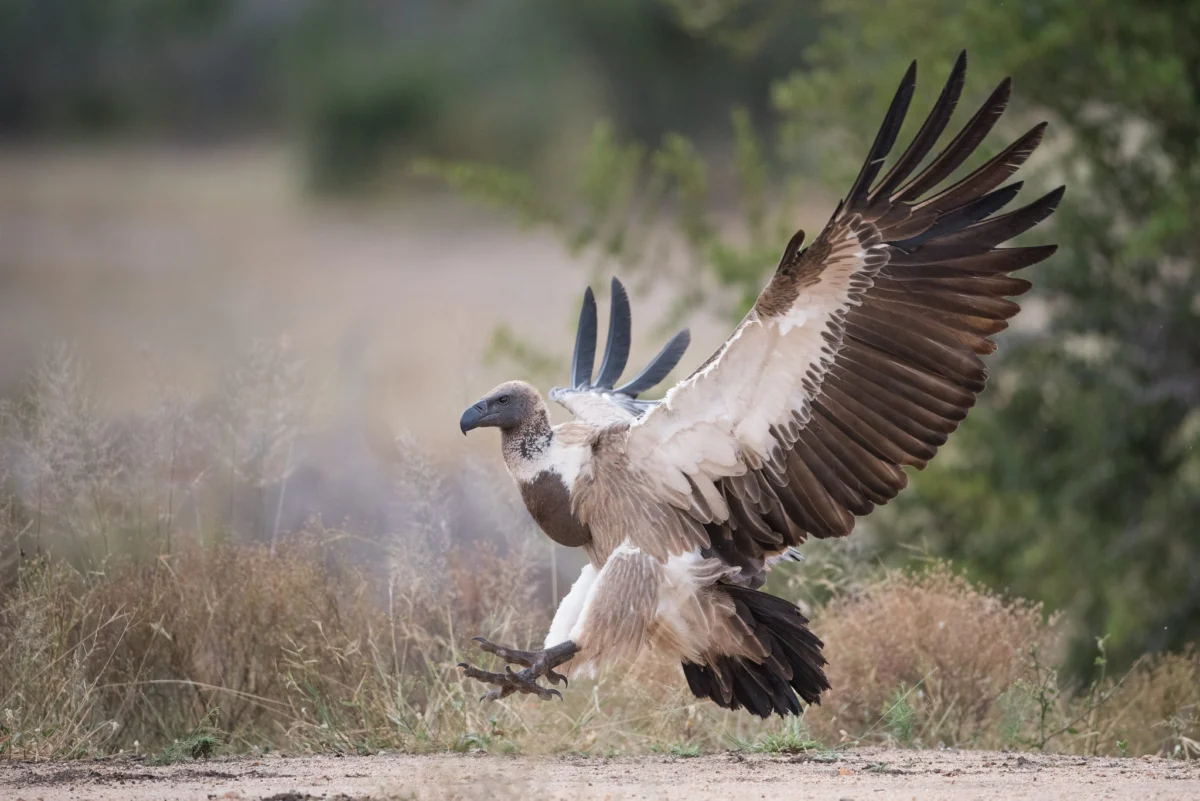
Vulture conservation has emerged as a cornerstone of the organization’s recent strategic efforts. These scavengers play an indispensable role in maintaining ecosystem health, yet they face severe threats from habitat loss, poisoning, and illegal wildlife trade. The ABC has directed more than £53,500 across 23 projects in 17 different countries specifically aimed at reversing the decline of vulture populations.
Tangible Impacts on Habitat and Research
The efficacy of the ABC’s grant model is best illustrated through its field-level results. In coastal Kenya, for instance, the organization’s funding proved instrumental in the protection of 323 hectares of the Dakatcha Woodland. This area is a critical habitat for threatened species such as Clarke’s Weaver, the Sokoke Scops-owl, and the Sokoke Pipit. By securing this land, the project ensured the survival of specialized birds that rely on the unique micro-habitats of the woodland.

In Zambia, the impact of these grants took a different form. An ABC-supported aerial survey of the Barotse Floodplain uncovered previously undocumented avian treasures. The survey identified three major waterbird breeding colonies, one of which contained an estimated 68,000 African Openbill nests. Furthermore, the survey identified a breeding concentration of African Spoonbills that is currently recognized as the largest of its kind on the continent. This discovery not only added to scientific knowledge but also shifted the focus of regional environmental policy toward long-term monitoring of the floodplain.
Similarly, in Ghana, the use of camera-trap technology funded by the club has provided researchers with unprecedented data on the nesting habits and predation threats facing the White-necked Picathartes. This data is essential for developing effective site-specific protection strategies.
Cultivating the Next Generation of Conservationists
Perhaps the most enduring legacy of the African Bird Club is its investment in human capital. By funding local initiatives, the club has fostered a new generation of African conservationists. In Sierra Leone, the organization provided the resources to establish bird clubs for youth and facilitated the development of local language field guides, which lowered the barrier to entry for indigenous communities interested in ornithology.
In Uganda, specifically around the Kibale National Park, the impact of these social investments is highly visible. The establishment of Village Bird Clubs has reached over 200 children, integrating environmental awareness with practical activities like tree planting. These initiatives do more than protect birds; they foster a culture of stewardship that will serve the region for decades to come. Many individuals who received early support from the ABC have since moved into prominent roles within scientific research, government conservation agencies, and international environmental organizations.
Official Perspectives on the Milestone
Reflecting on the milestone during the organization’s 2026 Annual General Meeting (AGM), Chair Keith Betton emphasized that while the financial figure is impressive, the qualitative impact is the true measure of success.
"Passing £750,000 in grants is an important milestone, but what matters most is the impact those funds have had—supporting dedicated people, generating knowledge, protecting habitats, and helping conserve some of Africa’s most threatened bird species," Betton stated.
The organization acknowledges that this progress is sustained by a diverse ecosystem of individual donors, charitable trusts, and international partners. The collaborative nature of these awards has allowed the ABC to remain agile, responding to environmental crises in real-time rather than becoming bogged down by the bureaucratic delays often associated with larger institutional funding.

The Challenge of Unmet Demand
Despite these successes, the African Bird Club faces a persistent challenge: the sheer volume of need. The organization reports receiving over 100 grant applications annually, yet current resource constraints mean they can only fund approximately 15% of those requests. This discrepancy highlights a broader, systemic issue in global conservation: the scarcity of small-scale, flexible funding for fieldwork and community engagement.
While large, multi-million dollar grants from international bodies are vital for national park management or large-scale landscape restoration, they are often inaccessible to local researchers or small community groups. The ABC’s niche is providing the "micro-grants" that sustain these vital, hyper-local projects. The demand for these funds suggests that the potential for further conservation gains remains high, provided that the financial support can keep pace with the growing interest in local, community-led avian protection.
Analysis: Implications for Global Biodiversity
The model pioneered by the African Bird Club serves as a blueprint for modern conservation. By decentralizing funding and placing decision-making power in the hands of those living in or near the habitats being protected, the organization avoids the common pitfalls of "parachute science"—where international experts arrive, conduct research, and leave without leaving a legacy of local capacity.
Furthermore, the data-driven approach adopted by the ABC ensures that its limited resources are directed toward the most vulnerable species. By targeting the IUCN Red List species, the organization contributes directly to global efforts to prevent extinction, providing the baseline data needed for national and international policymakers to enact stronger environmental legislation.
As the organization looks toward the next three decades, its focus will likely remain on this dual strategy: scaling up successful, community-led projects while simultaneously addressing the funding gap that prevents hundreds of other qualified, high-impact projects from launching. The success of the last thirty years demonstrates that relatively modest financial injections, when applied with scientific rigor and local partnership, can produce outsized benefits for the preservation of Africa’s rich and threatened birdlife.
