
In June 2026, HIH Princess Takamado embarked on a diplomatic and personal expedition to North and Central America, bridging the worlds of elite international athletics and global environmental stewardship. The visit, which coincided with the 2026 FIFA World Cup, provided a unique backdrop for the Princess to observe the interplay between human passion for sporting competition and the quiet, critical efforts to preserve the Western Hemisphere’s biodiversity. By documenting the ecosystems of Mexico and the United States through her own photography, the Princess underscored the vital role of international conservation partnerships in a rapidly changing climate.
A Dual Mission: The Intersection of Sport and Nature
The 2026 FIFA World Cup served as the primary catalyst for the Princess’s travel, drawing millions to the Americas. However, as the Honorary President of both the Japan Football Association (JFA) and BirdLife International, her itinerary was meticulously designed to highlight the necessity of ecological preservation alongside the celebration of sport. This dual focus allowed for a rare public examination of how large-scale international events can coexist with, and potentially support, local conservation initiatives.
Her journey began in Monterrey, Mexico—a city currently experiencing significant growth and urban expansion—before moving to Dallas, Texas, where the focus shifted to the restoration of degraded landscapes. In both instances, the Princess engaged with local experts to evaluate the efficacy of protected area management and the challenges of urban conservation.

Chronology of the Expedition
The expedition unfolded over a busy week in June, marked by a balance of official duties and field observation:
- Early June (Monterrey, Mexico): The Princess visited Chipinque Ecological Park, a 1,791-hectare protected area nestled within the Sierra Madre Oriental. Here, she conducted field photography and received briefings on the specific biodiversity challenges of the Nuevo León region.
- Mid-June (Dallas, USA): The delegation traveled to the Trinity River Audubon Center. This site provided a stark contrast to the mountainous terrain of Monterrey, offering insight into the remediation of urban brownfields.
- Post-Visit Synthesis: The findings from these visits were compiled into a series of visual and written reports, culminating in an feature in the October 2026 issue of Fujingahou magazine, providing a detailed record of the avian species and environmental efforts observed during the trip.
Monterrey: The Ecological Riches of the Sierra Madre Oriental
The visit to Chipinque Ecological Park highlighted the immense, yet vulnerable, biodiversity of the Sierra Madre Oriental mountain range. Established in 1992, the park is a critical sanctuary for flora and fauna, functioning as an essential "green lung" for the industrial hub of Monterrey.
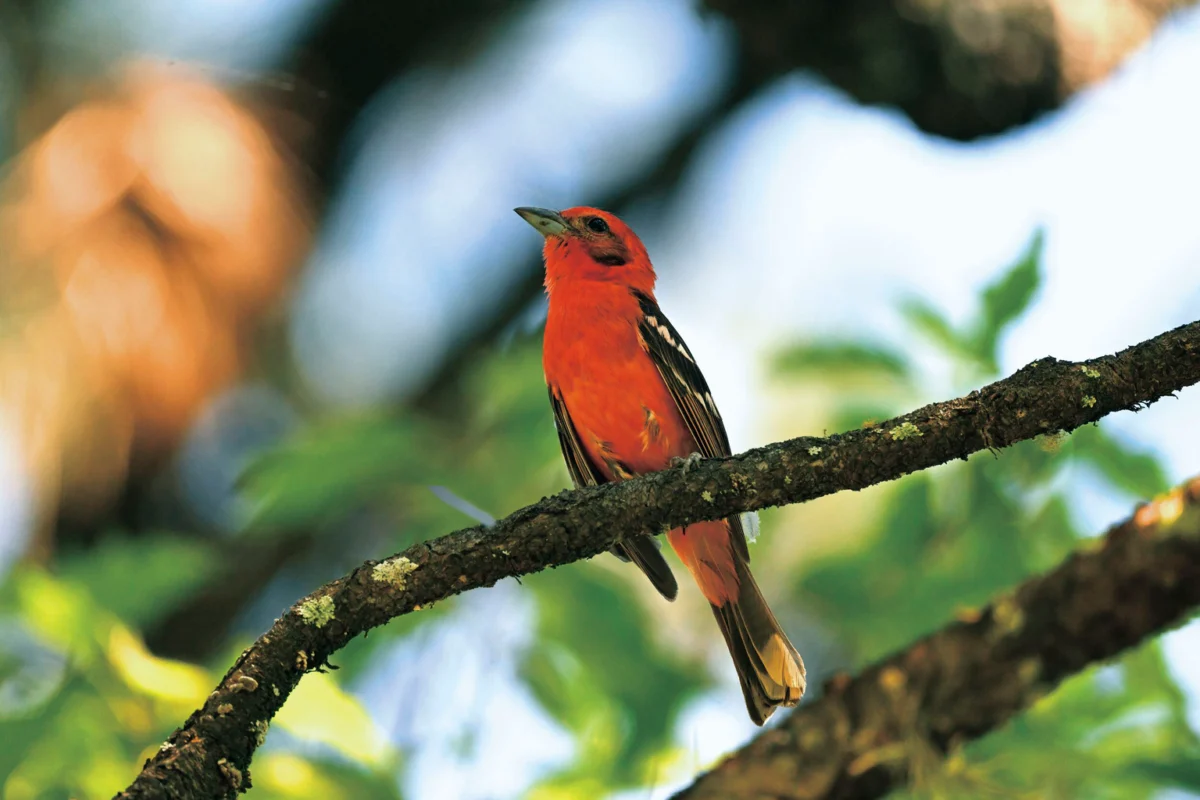
During her visit, the Princess noted the extreme environmental gradients of the region. While the urban centers of Monterrey faced record-breaking temperatures reaching 39°C, the high-altitude terrain of the park, rising to approximately 2,200 meters, provided a cooler refuge. The ecological importance of this range cannot be overstated; Mexico holds a staggering concentration of the world’s pine species—nearly 50% of the approximately 110 known species globally are native to the country. The Princess’s observations of the park’s butterfly populations and resident bird species, such as the Flame-colored Tanager (Piranga bidentata) and the Dusky-capped Flycatcher (Myiarchus tuberculifer), served as a microcosm of the park’s health.
Environmental experts accompanying the Princess emphasized that the Sierra Madre Oriental faces constant pressure from deforestation and climate-induced shifts. The presence of these birds, which are highly sensitive to habitat degradation, acts as a biological indicator of the park’s integrity.

Dallas: From Industrial Waste to Ecological Haven
The second leg of the journey focused on the Trinity River Audubon Center in Dallas, Texas. The history of this site is a testament to the potential for environmental reclamation. Once an illegal dumping site that marred the local landscape, the 48-hectare area was transformed into a thriving ecosystem comprising wetlands, ponds, and Blackland Prairie—an endangered habitat type in North America.
Since its opening in 2008, the center has functioned as a critical research hub. The presence of the Tricolored Heron (Egretta tricolor) and the American White Ibis (Eudocimus albus) at the site highlights the success of the habitat restoration. These species, which rely on specific water quality and vegetation structures, have returned to the area, proving that strategic environmental intervention can reverse the effects of human negligence. The center’s proximity to downtown Dallas—a mere 10-minute drive—makes it a model for "urban wilding," a strategy aimed at increasing biodiversity within city limits to mitigate the urban heat island effect and improve human well-being.
Institutional Partnerships and Global Conservation
A cornerstone of the Princess’s trip was the collaboration with local BirdLife International partners. BirdLife International operates as a global federation, and the Princess’s engagement with Pronatura in Mexico and the National Audubon Society in the United States served to reinforce the necessity of cross-border cooperation in migratory bird conservation.
The challenges cited by these organizations during the visit were twofold: habitat fragmentation and the impacts of the climate crisis. Pronatura, for example, is currently working to connect isolated patches of forest in the Sierra Madre to allow for genetic flow among species. Meanwhile, the National Audubon Society is focusing on the protection of wetlands that serve as essential stopover points for migratory birds moving between North and South America.

The Princess’s role as Honorary President provided a platform to elevate these issues to an international audience. By documenting these efforts, she demonstrated that conservation is not merely a scientific endeavor but a social one, requiring the same level of community engagement and emotional investment as the global football community.
Analysis: The Broader Impact
The Princess’s trip highlights a critical shift in how high-profile diplomatic travel can be leveraged for environmental advocacy. By focusing on the "passion" shared between sports fans and conservationists, the report draws a compelling parallel: both groups are united by a desire to protect and cherish something greater than themselves.
From an analytical perspective, the visit underscores three main pillars for future conservation:
- Urban Resilience: The success of the Trinity River Audubon Center provides a scalable model for other rapidly urbanizing cities globally to repurpose degraded land for ecological and community benefit.
- Cross-Border Cooperation: The reliance of bird species on flyways that span multiple countries requires policy harmonization. The partnership between BirdLife International’s local affiliates demonstrates the efficiency of decentralized, locally-led conservation efforts supported by a global framework.
- Public Awareness through Visual Media: The use of professional-grade photography by a high-profile figure serves to democratize scientific information. By capturing the aesthetic beauty of the species, the Princess has effectively translated complex ecological data into a narrative that resonates with the general public.
Conclusion
The journey of HIH Princess Takamado serves as a poignant reminder that the global community is linked not just by the competitive spirit of international sport, but by the shared fragility of the natural world. As Monterrey and Dallas continue to grow, the existence of protected areas like Chipinque and the Trinity River Audubon Center becomes increasingly vital. The commitment shown by local organizations, supported by international partnerships, provides a roadmap for sustaining biodiversity in the 21st century. Through her lens, the Princess has provided more than just photographs; she has provided a record of the ongoing, determined effort to ensure that the natural world remains a vibrant participant in the human story.
