
The Fragility of Avian Populations in the 21st Century
The current state of global bird populations serves as a biological barometer for the health of the planet. According to recent reports from the State of the World’s Birds, nearly 48% of existing bird species worldwide are undergoing population declines. This widespread loss is attributed to a "triple threat": the loss of critical nesting and foraging habitats, the rapid acceleration of anthropogenic climate change, and the persistent danger of illegal poaching and wildlife trade.
Conservationists emphasize that birds are highly sensitive to environmental shifts; because they occupy diverse niches—from high-altitude mountain ranges to dense tropical rainforests—their population fluctuations often signal broader ecological collapses before they become apparent in other taxa. Addressing these challenges requires a multifaceted approach that combines high-tech satellite monitoring, community-led land management, and international policy advocacy.
A Legacy of Resilience: The Whooping Crane Recovery
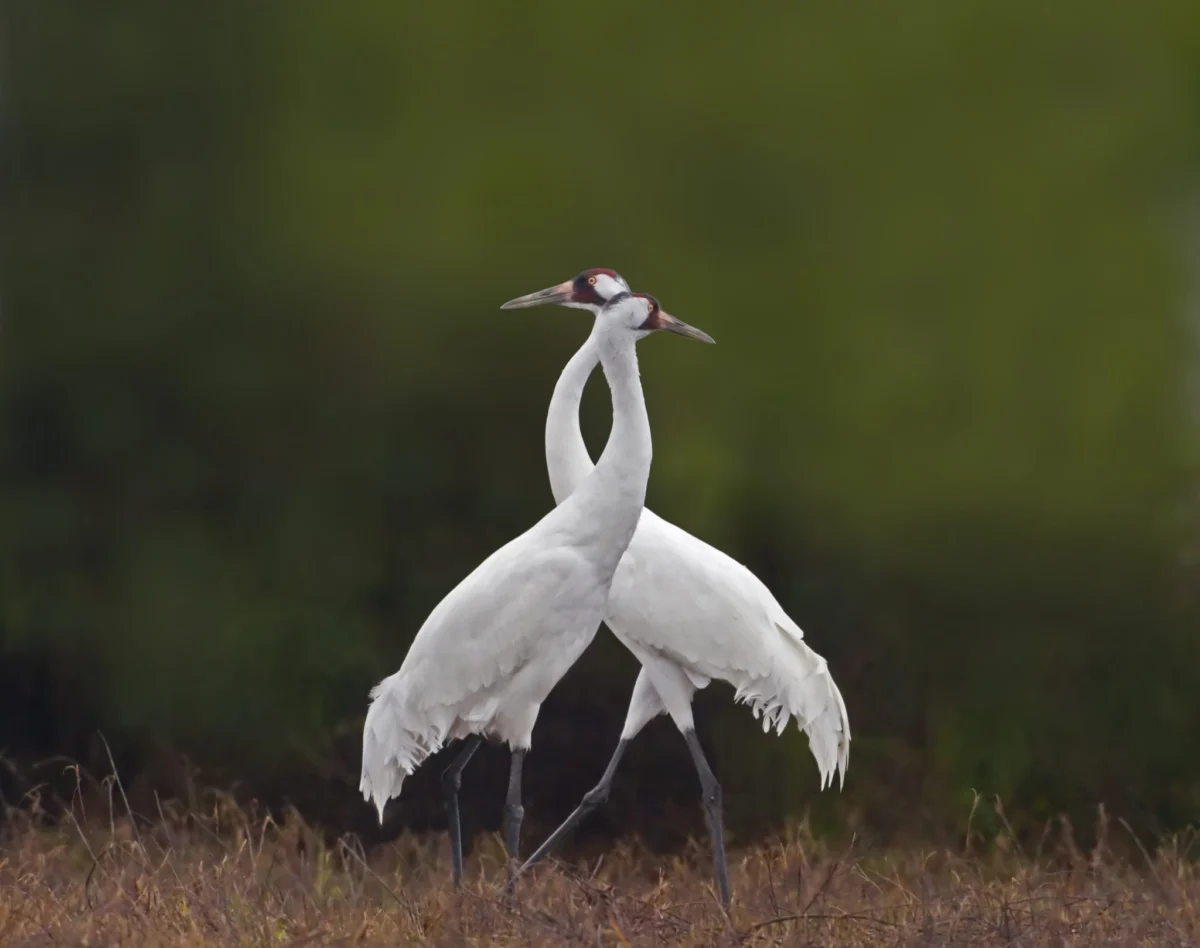
The trajectory of the Whooping Crane (Grus americana) stands as a definitive case study in successful species recovery. Once an icon of North American wilderness, the species faced a catastrophic decline in the early 20th century. By 1941, the total wild population had plummeted to a mere 21 individuals. The causes were multifaceted, including the systematic destruction of coastal wetlands and tallgrass prairies, combined with unrestricted hunting pressures that decimated breeding pairs.
Chronology of a Comeback
- 1941: The Whooping Crane population reaches its nadir with only 21 birds remaining in the wild, primarily within the Aransas National Wildlife Refuge in Texas.
- 1967: The species is officially listed as endangered under the newly formed federal protections in the United States, sparking a decades-long inter-agency recovery effort.
- 1970s–1990s: Conservationists implement intensive captive breeding programs, experimental migration routes, and strict habitat protection measures to foster the growth of a second, separate migratory flock.
- 2010: The population shows consistent, albeit slow, signs of growth, surpassing the 400-individual mark.
- 2025: Official monitoring confirms a wild population of 557 birds, marking a significant milestone in North American conservation history.
This recovery was not merely a result of protection; it was the product of immense scientific labor. Biologists had to overcome the hurdles of teaching captive-bred birds to migrate, using light aircraft to guide young cranes along ancestral paths. The success of the Whooping Crane proves that species can rebound, provided that humans are willing to invest the time, funding, and political capital necessary to protect the landscape upon which they depend.
Community-Led Success: The Red-footed Falcon
While the Whooping Crane recovery was a product of institutional intervention, the story of the Red-footed Falcon (Falco vespertinus) illustrates the efficacy of grassroots, community-based conservation. These small, migratory raptors face significant threats during their biannual journeys between Europe and Africa, particularly at their staging sites.

Every spring, up to one million Red-footed Falcons congregate in specific regions of Angola. Historically, these mass gatherings made the birds highly susceptible to illegal hunting and trapping. The change in the falcons’ fortune began when local communities were engaged as primary stakeholders in the birds’ survival. By transforming from passive observers into active protectors, local populations have successfully mitigated the threats of poaching.
This model of "community-led conservation" is increasingly viewed by experts as the gold standard for global biodiversity protection. By providing local populations with the resources to monitor and defend their local ecosystems, conservation organizations ensure that protection is sustainable, scalable, and deeply rooted in the local economy.
Supporting Data: The Cost of Inaction
The data supporting the necessity of these interventions is stark. BirdLife International and affiliated researchers highlight that the funding gap for global biodiversity conservation currently stands in the billions. Without an influx of resources, many "near-threatened" species risk crossing a tipping point into "endangered" status.
Current scientific analysis suggests that:
- Habitat Fragmentation: More than 70% of bird species that rely on forests are negatively affected by current land-use changes.
- Migratory Hazards: Migratory species face the highest risk, as they depend on a "chain" of healthy stopover sites across multiple international borders. If one link in this chain—such as a wetland in Central Africa or a coastal marsh in Europe—is destroyed, the entire migratory population suffers.
- Climate Shifts: As global temperatures rise, the synchronization between peak food availability (such as insect blooms) and nesting cycles is disrupted, leading to lower survival rates among fledglings.
Institutional and Official Responses
Conservation organizations, including BirdLife, are increasingly calling for a shift in global policy that treats biodiversity loss with the same urgency as climate change. Official responses from environmental ministries often emphasize the "ecosystem services" provided by birds—such as seed dispersal, pest control, and pollination—which are valued at trillions of dollars annually.
"The recovery of the Whooping Crane and the protection of the Red-footed Falcon are not just stories about birds," says an anonymous spokesperson for a leading global conservation group. "They are stories about human commitment. When we protect these species, we are protecting the air, the water, and the natural systems that sustain human civilization."

Broader Impact and Future Implications
The implications of these conservation efforts extend far beyond the species themselves. As researchers track the movement of birds across the globe, they are essentially creating a live map of the planet’s health. Birds are the "canaries in the coal mine" for emerging environmental issues, including the spread of avian diseases and the degradation of agricultural lands due to chemical runoff.
The integration of technology into conservation is the next frontier. From AI-driven monitoring of bird songs to satellite tracking that identifies illegal land clearing in real-time, the tools available to conservationists are more powerful than ever. However, technology is only one component of the equation. The human element—the donation of funds, the advocacy for stronger environmental laws, and the local participation of land managers—remains the most critical factor.
How to Engage with Conservation Initiatives
For members of the public interested in participating in these efforts, the path to contribution is multifaceted. Supporting organizations that focus on habitat restoration provides the long-term infrastructure necessary for bird populations to recover. Engaging in "citizen science"—the practice of recording bird sightings in databases like eBird—provides researchers with the raw data needed to identify population trends before they become irreversible.
Furthermore, staying informed about conservation policy is essential. As international agreements like the Convention on Biological Diversity continue to shape how nations manage their natural resources, public pressure on policymakers ensures that these agreements are not just signed, but enforced.
As the 2025 population figures for species like the Whooping Crane remind us, the loss of a species is not an inevitability—it is a choice. The recovery of such birds is a testament to the fact that, when given the space and safety to exist, nature demonstrates a profound capacity for resilience. However, that resilience has limits. The ongoing work of BirdLife and other conservation entities is designed to ensure that those limits are not tested to the point of breaking, securing a future where the sky remains a testament to the diversity of life on Earth.
The task ahead is immense, but the successes of the past century provide a clear roadmap: identify the threat, engage the community, protect the habitat, and provide the sustained, long-term support required for recovery. In doing so, we not only save the birds but protect the delicate, interconnected web of life that sustains the future of our planet.
