
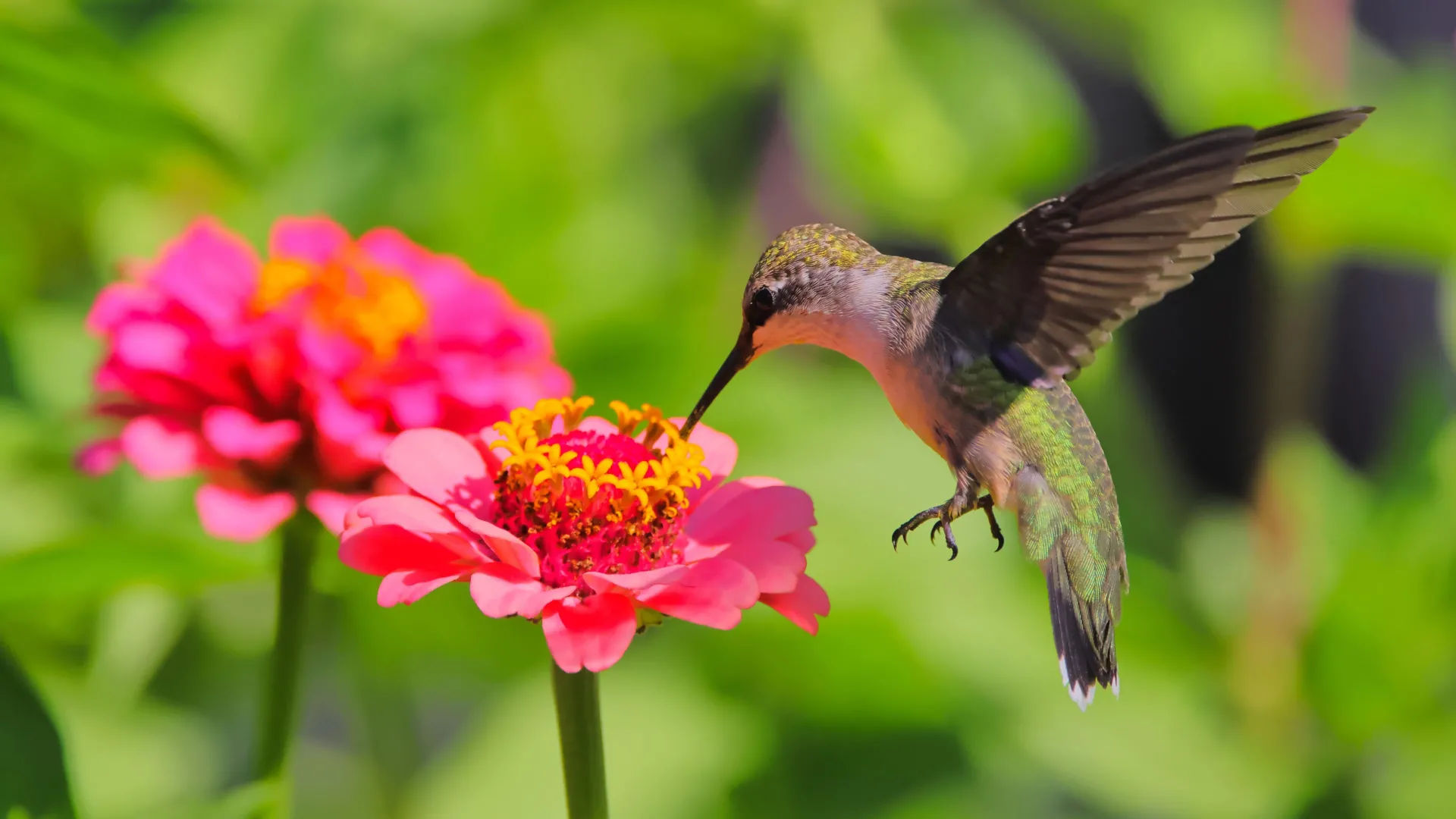
In a discovery that reshapes our understanding of natural diets and animal physiology, a comprehensive survey by biologists at the University of California, Berkeley, has revealed that a significant number of flowering plants offer their pollinators, such as bees and hummingbirds, not just sugary nectar but also small, yet consistent, amounts of alcohol. This groundbreaking research, the first large-scale investigation into the presence of ethanol in floral nectar, suggests that a daily intake of alcohol is a common, previously unrecognized aspect of the lives of many pollinating species.
The Hidden Brew: Nectar Fermentation Explained
Floral nectar, a sugary liquid produced by plants, serves as a crucial attractant for pollinators, enticing them with a high-energy reward in exchange for their vital role in plant reproduction. For centuries, scientists have understood nectar primarily as a simple sugar solution, varying in concentration and composition to suit different pollinator preferences. However, the natural world is a complex ecosystem, and the sugars within nectar are susceptible to the metabolic activities of microorganisms, particularly yeasts. These ubiquitous single-celled fungi thrive in sugar-rich environments, and through the process of fermentation, convert sugars into ethanol and carbon dioxide. While this phenomenon has been well-documented in other natural settings, such as ripening fruits and decaying wood, its prevalence within the delicate matrix of floral nectar remained largely unexplored until now. The Berkeley team’s findings underscore that this natural fermentation is a widespread occurrence, introducing an unexpected alcoholic dimension to the diets of countless pollinator species across diverse ecosystems.
A Groundbreaking Survey: Quantifying Ethanol in Floral Offerings
The pioneering study, conducted by researchers at UC Berkeley, involved an extensive analysis of nectar samples collected from a wide array of plant species. Out of the 29 plant species examined, ethanol was detected in at least one sample from 26 of them, indicating a far more pervasive presence than previously imagined. The vast majority of these samples contained only trace amounts of ethanol, typically the byproduct of ambient yeast activity converting nectar sugars. However, one particular sample registered an ethanol concentration of 0.056% by weight, a level equivalent to approximately 1/10 proof. To put this into perspective, standard alcoholic beverages typically range from 5% to 40% alcohol by volume (10 to 80 proof), making the nectar’s alcoholic content seem miniscule. Yet, when considering the sheer volume of nectar consumed daily by certain species, these seemingly tiny percentages can accumulate into a significant dietary intake of ethanol. The team utilized sophisticated enzymatic assays to precisely measure the ethanol levels, ensuring the accuracy and reliability of their findings. This rigorous approach allowed them to establish a clear baseline for alcohol concentrations in the natural diets of pollinators, laying the foundation for further physiological and ecological investigations.
A Daily Tipple: How Much Alcohol Do Pollinators Really Consume?
Despite the low concentrations found in individual nectar samples, the cumulative effect of daily consumption can be substantial for pollinators. For many species, nectar is not just a treat but their primary energy source, consumed in vast quantities to fuel their highly energetic lifestyles. Hummingbirds, renowned for their incredibly high metabolic rates and rapid wing beats, exemplify this extreme reliance on nectar. An Anna’s hummingbird (Calypte anna), a common sight along the Pacific coast, can drink an astonishing 50% to 150% of its own body weight in nectar every single day.
Based on these prodigious feeding habits, the Berkeley researchers calculated that an average Anna’s hummingbird consumes approximately 0.2 grams of ethanol per kilogram of its body weight daily. To provide a relatable human equivalent, this intake is comparable to a human consuming roughly one standard alcoholic drink over the course of a day. The study extended its comparative analysis to other nectar-feeding species and even other animals, revealing a fascinating spectrum of alcohol exposure. The European honeybee, for instance, registered the lowest estimated intake at 0.05 g/kg/day, reflecting its smaller body size and different feeding mechanics. In contrast, the pen-tailed tree shrew, known for its consumption of fermented palm nectar, exhibited the highest intake at a remarkable 1.4 g/kg/day, highlighting species-specific adaptations to highly alcoholic diets. Fruit-eating chimpanzees and humans consuming one standard drink per day (0.14 g/kg/day) also formed part of this comparative framework. Nectar-feeding birds, including the Anna’s hummingbird and various sunbird species (which occupy a similar ecological niche in Africa, feeding on plants like honeybush), typically consumed within a range of 0.19 to 0.27 g/kg/day when foraging on native flowers. Interestingly, observations from feeder experiments suggested that Anna’s hummingbirds might ingest even higher amounts, up to 0.30 g/kg/day, from human-provided fermented sugar water, indicating a potential interaction between natural dietary alcohol and anthropogenic food sources.
Beyond the Buzz: Why Pollinators Don’t Get Drunk
Despite this regular intake of ethanol, the observation that bees and birds do not exhibit overt signs of intoxication has been a key focus of the research. The prevailing hypothesis points to two main factors: the gradual nature of consumption and the pollinators’ incredibly efficient metabolism. Unlike a human rapidly consuming an alcoholic beverage, these animals sip nectar throughout the day, spreading their alcohol intake over many hours. Furthermore, creatures like hummingbirds possess exceptionally high metabolic rates, often referred to as "little furnaces" by researchers. Their bodies are optimized to rapidly burn through energy sources, including ethanol, preventing significant accumulation in their bloodstream that would lead to inebriation.
Earlier experimental work by the same UC Berkeley team provides further insight into this tolerance. Hummingbirds were observed to willingly drink sugar water containing up to 1% alcohol by volume. However, their behavior shifted noticeably when concentrations rose above this threshold, with birds beginning to avoid the higher alcohol content. Specific feeder experiments conducted outside Professor Robert Dudley’s office underscored this preference. Anna’s hummingbirds showed largely no aversion to low alcohol concentrations (below 1% by volume) in sugar water. Yet, when the concentration reached 2%, their visits to the feeder were halved, suggesting a clear ability to detect and moderate their intake based on alcohol levels. This implies that while low levels are tolerated, and perhaps even preferred, there is a natural aversion to concentrations that might be detrimental.
The Silent Influence: Potential Effects Beyond Intoxication
The implications of dietary alcohol extend beyond simple intoxication, opening avenues for research into more subtle physiological and behavioral effects. Nectar is known to contain a variety of bioactive compounds, including stimulants like nicotine and caffeine, which are understood to influence animal behavior, sometimes subtly altering foraging patterns or decision-making. Researchers hypothesize that ethanol could exert similar, less overt effects.
As doctoral student Aleksey Maro, who contributed significantly to the nectar analysis alongside postdoctoral fellow Ammon Corl, articulated, "Hummingbirds are like little furnaces. They burn through everything really quick, so you don’t expect anything to accumulate in their bloodstream. But we don’t know what kind of signaling or appetitive properties the alcohol has. There are other things that the ethanol could be doing aside from creating a buzz, like with humans." This perspective suggests that alcohol might play a role in plant-pollinator communication or even influence the reward pathways in a pollinator’s brain, potentially making certain flowers more attractive.
Professor Robert Dudley, a key figure in this research, added, "There may be other kinds of effects specific to the foraging biology of the species in question that could be beneficial. They’re burning it so fast, I’m guessing that they probably aren’t suffering inebriating effects. But it may also have other consequences for their behavior." These "other consequences" could include effects on memory, energy regulation, or even interactions with other compounds present in nectar.
Crucially, another study led by former graduate student Cynthia Wang-Claypool provided physiological evidence of alcohol processing in birds. Her work found ethyl glucuronide in the feathers of birds, including Anna’s hummingbirds. Ethyl glucuronide is a known byproduct of ethanol metabolism in mammals, indicating that these birds not only ingest alcohol but possess the biochemical machinery to process it in a manner similar to humans and other mammals. This finding is a strong indicator of an evolved capacity to handle dietary alcohol, moving beyond mere tolerance to active metabolic detoxification. Together, these observations suggest a deep evolutionary history where animals, including human ancestors, have developed physiological adaptations to tolerate, and perhaps even prefer, the presence of alcohol in their diets.
Chronology of Discovery and Research Trajectory
The findings reported by Maro, Corl, and Dudley, alongside Berkeley colleagues Rauri Bowie and Jimmy McGuire, both professors of integrative biology and curators at the campus’s Museum of Vertebrate Zoology, were published on March 25 in the esteemed journal Royal Society Open Science. This publication represents a culmination of several years of interconnected research efforts.
The investigative journey began with earlier laboratory experiments, specifically the feeder studies conducted outside Professor Dudley’s office, which provided initial insights into hummingbird preferences for varying alcohol concentrations. These foundational experiments established that hummingbirds are largely indifferent to low alcohol levels but actively avoid higher concentrations, hinting at a natural regulatory mechanism. This was followed by the crucial work on ethyl glucuronide by Cynthia Wang-Claypool, which provided the physiological evidence that birds actively metabolize alcohol, bridging the gap between ingestion and internal processing. The current "first large survey" then expanded the scope significantly, moving from controlled experimental settings to a broad ecological assessment of ethanol prevalence in natural nectar samples. This comprehensive survey, which forms the core of the Royal Society Open Science paper, firmly established that ethanol is indeed widespread in the nectar pollinators consume in the wild.
This entire body of work is integrated into a broader, ongoing five-year National Science Foundation (NSF) project. This ambitious project aims to collect extensive genetic data from hummingbirds and sunbirds. The ultimate goal is to unravel the complex evolutionary adaptations that enable these birds to thrive in diverse and challenging environments, including high altitudes, and to subsist on specialized diets rich in sugars, and as now understood, frequently fermented nectar. This chronological progression, from initial behavioral observations and physiological evidence to a comprehensive ecological survey, underscores the systematic and rigorous approach taken by the UC Berkeley team.
Voices from the Field: Expert Perspectives on Dietary Ethanol
The researchers involved in this pioneering study offer profound insights into the implications of their findings. Aleksey Maro emphasizes the metabolic efficiency of hummingbirds, reiterating the idea that their rapid energy processing likely prevents the intoxicating effects typically associated with alcohol in other species. His curiosity lies in the subtle, non-intoxicating roles ethanol might play, suggesting it could act as a signaling molecule or an appetitive enhancer, drawing parallels to human experiences where alcohol’s effects extend beyond simple inebriation.
Robert Dudley, with his extensive background in evolutionary biology, highlights the broader evolutionary significance. He posits that the observed adaptations in hummingbirds and sunbirds might be representative of a wider phenomenon across the animal kingdom. He suggests that many species may have evolved specific physiological pathways for detoxifying or even utilizing dietary ethanol, challenging the human-centric view of alcohol’s impact. Dudley speculates on potential nutritional benefits or unique detoxification mechanisms that animals consuming alcohol chronically throughout their lives might possess. His statements underscore the need to expand comparative biology to better understand ethanol ingestion across diverse species.
Ammon Corl succinctly summarized the compelling evidence generated by the research phases: "The laboratory experiment was showing that yes, they will drink ethanol in their nectar, though they have some aversion to it if it gets too high. The feathers are saying that, yes, they will metabolize it. And then this study is saying that ethanol is actually pretty widespread in the nectar they consume." This cohesive narrative, built upon a foundation of behavioral, physiological, and ecological data, paints a clear picture of a widespread, evolutionarily significant interaction between pollinators and dietary alcohol. The scientific community views this as a significant step in understanding the complex biochemical landscape of natural ecosystems and the adaptive responses of organisms to their environments.
A New Lens on Evolution: Broader Implications of Dietary Alcohol
The discovery of widespread alcohol in floral nectar profoundly broadens our understanding of animal diets and evolutionary adaptations. It compels scientists to re-evaluate long-held assumptions about the chemical composition of natural food sources and the physiological capabilities of the animals that consume them. This research suggests that exposure to dietary ethanol is not an anomaly but a chronic condition for many species throughout their lives, potentially driving a broad range of physiological and behavioral adaptations across the animal kingdom.
Professor Dudley articulated this broader perspective, stating, "These studies suggest that there may be a broad range of physiological adaptations across the animal kingdom to the ubiquity of dietary ethanol, and that the responses we see in humans may not be representative of all primates or of all animals generally." This statement challenges the anthropocentric bias often inherent in biological research, urging a more inclusive view of how different species interact with and metabolize substances like alcohol. The implications extend to understanding human evolution as well, suggesting that our ancestors, who also consumed fermented fruits, might have shared similar evolutionary pressures and developed corresponding tolerances or preferences for alcohol.
The findings open up exciting new avenues for future research. Scientists can now delve deeper into the genetic mechanisms underlying ethanol tolerance and metabolism in pollinators, investigating whether specific genes have evolved to process alcohol efficiently. Furthermore, understanding the subtle behavioral impacts of nectar alcohol could provide insights into foraging strategies, inter-species competition, and even the intricate co-evolutionary dance between plants and their pollinators. For example, could some plants produce slightly more alcoholic nectar to subtly influence pollinator behavior, making them more loyal or efficient?
This research also holds relevance for conservation efforts, particularly in understanding how human-altered landscapes and artificial feeders might impact pollinator health and behavior by altering the typical concentrations of alcohol they encounter. The finding that hummingbirds might consume more alcohol from fermented sugar water in feeders than from natural nectar underscores the need for careful consideration of what and how humans provide for wildlife.
Ultimately, the study serves as a powerful reminder of the hidden complexities of the natural world. It reinforces the idea that what we perceive as simple interactions—like a hummingbird feeding on nectar—are in fact governed by an intricate web of biochemical processes and deep evolutionary histories. As Dudley concludes, "Maybe there are other physiological detoxification pathways or other kinds of nutritional effects of ethanol for animals that are consuming it every day of their lives. That’s the interesting thing — this is chronic through the course of the day, but that’s a lifetime exposure post-weaning. It just means that the comparative biology of ethanol ingestion deserves further study." This call to action promises a rich field of discovery, further unveiling the fascinating and unexpected ways life adapts and thrives on Earth.
